
Addressing Challenging Behaviors in Children
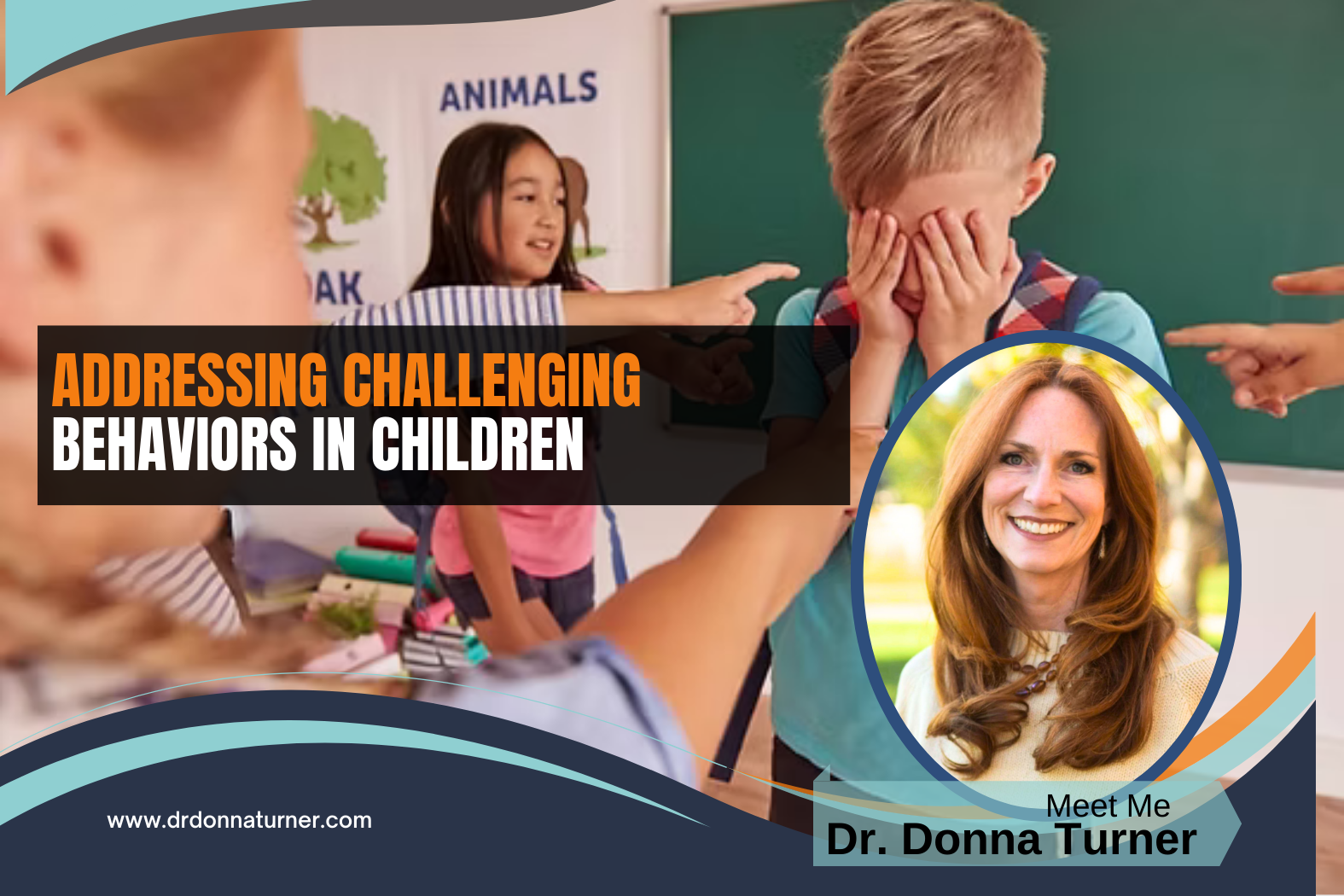
Raising a child is often announced as one of a person's most rewarding experiences; there are times when this period can be very challenging, for example when he or she manifests certain difficult or destructive behaviors. Often, such behaviors can be connected to sources like emotional or developmental delays, or neurodevelopmental disabilities-including ADHD (Attention-Deficit/Hyperactivity Disorder). Understanding the behaviors and how to respond to them is important in creating a warm and nurturing environment for children.
This blog discusses identification, understanding, and resolution of disruptive behavior in children, and neuropsychological testing, neuropsychological testing for ADHD and tests for ADHD .
Challenging Behaviors: What Are They?
Challenging behavior is defined as behavior that otherwise prevents the child in carrying out the normal day to day activities. Some of them include;
Aggression: Words or acts meant to harm others.
Defiance: refusal to follow rules or commands.
Tantrums: Outbursts of emotion usually involving actions, weeps, or screams.
Hyperactivity: Too much moving about or unable to stay in one place.
Withdrawal: Avoiding social occasions or contact.
These behaviors can be irritating for all parents or caregivers, but more often than not there lie some needs and problems below such behaviors that need to be addressed.
Learn More about: How ADHD Testing is Conducted
Recognizing the Reasons Behind Difficult Behaviors
Finding the underlying reasons of problematic behaviors is essential to properly addressing them. Typical contributory elements consist of:
-
Aspects of Development
Children are always learning how to control their feelings and actions. Particularly younger kids may have trouble controlling themselves and communicating, which can result in tantrums or outbursts.
-
Triggers for Emotions
Difficult behaviors might be brought on by stress, worry, or regular changes. For instance, a child who experiences bullying at school might act out at home to vent their frustration.
-
Health or Developmental Disorders
Difficult behaviors may be caused by conditions such as sensory processing problems, autism spectrum disorder (ASD), or attention deficit hyperactivity disorder (ADHD). For example, neuropsychological testing for ADHD frequently shows that disruptive behaviors are caused by symptoms like impulsivity or inattention.
-
The Impact of the Environment
A lack of structure, uneven discipline, or family relationships can all make behavioral problems worse.
Developing successful solutions to address the behavior begins with understanding the "why" underlying it.
Learn More about: Identifying and Managing School Problems
How to Deal with Difficult Behaviors
-
Pay attention and document
To start, look for trends or triggers in your child's behavior. Be mindful of:
When the conduct takes place (daily hours, particular circumstances).
Where it takes place (at home, school, or in public).
What comes before and after the activity (likely reactions and triggers).
This data can direct intervention tactics and reveal underlying reasons.
-
Talk to Your Youngster
Children may find it difficult to express their wants or feelings, yet candid dialogue can yield insightful information. Pose queries such as:
"What irritated you, please?"
"How do you feel at the moment?
Your child can express their feelings more easily if you speak to them in an age-appropriate manner and in a soothing tone.
Contact Now!: Best Neuropsychologist in Utah
-
Establish Consistency and Structure
Predictability is what kids love. A regular daily schedule can help kids grasp expectations and lessen anxiety.
For instance:
Establish consistent bedtime and mealtime schedules.
For younger children, create visual timetables that list daily activities.
Rules and penalties should be applied consistently.
-
Instruct Students on Emotional Control
Assist your child in acquiring the abilities necessary for efficient emotional regulation:
Breathing exercises: Instruct students in basic methods to relax during stressful situations, such as deep breathing.
Encourage your youngster to identify their feelings by giving them labels, such as "I'm feeling angry."
Problem-Solving: When disagreements emerge, collaborate to come up with ideas.
-
Put Positive Reinforcement into Practice
Encourage the repetition of excellent behaviors by rewarding them with stickers, praise, or tiny privileges. For example:
Celebrate small victories, such as finishing a homework assignment without losing your cool.
Saying "I'm proud of how you tried to stay calm" expresses effort rather than perfection.
-
Look for Expert Assistance
It could be beneficial to speak with a professional if difficult habits continue in spite of your attempts. Your child's requirements can be evaluated and customized solutions might be suggested by a pediatrician, therapist, or neuropsychological testing professional in your area. This is very helpful when looking for tests for ADHD and other associated evaluations.
What is the Importance of Neuropsychological Testing for ADHD?
Neuropsychological testing for ADHD helps find the cause of difficult behaviors, such as ADHD or learning disabilities. This involves an extensive evaluation of cognition, emotional and behavioral performances, which gives important information for intervention.
What Does Neuropsychological Testing Involves?
- Assessment of attention, memory and problem-solving abilities;
- Assessment of Emotional Regulation and Social Interaction;
- Identification of Strengths and Developmental Areas.
Most parents look up "neuropsychological testing near me" in search of services that do psychological evaluations in their clinics for suspected ADHD children. Comprehensive tests for ADHD include differential diagnosis between this disease and other behavioral disorders.
Behaviors Associated with ADHD
All affected children could be taught the following to curtail behaviors related to inattention, impulsivity, or hyperactivity:
- Behavioral Therapy: Either empowering children with managing impulsivity or frustration,
- Parent Training Programs: Train parents in managing their children,
- Medications: In rare cases, medicines can be prescribed to work on normalizing brain activity and increasing focus.
Through finding testing for ADHD resources or neuropsychological testing nearby, parents can secure their child for the help needed.
Create a loving home environment
The environment at home has a great impact on a child's behavior. To create such an enabling atmosphere, at least the following:
- Exhibit calm behavior by managing stress constructively.
- Promote play by drawing, storytelling, or outdoor games to help children understand and express emotions.
- Strengthen attachments by spending quality time together, thus building up trust and security.
Cooperation With School and Professionals
Close collaboration and communication with educational and health professionals also helps your child gain similar support in varying environments. Examples include
- Arranging seating for classroom strategies: Collaborate with the teacher on arranging seating to minimize distractions.
- Provide evaluation findings to school counselors to customize learning accommodations.
Tackling challenging behaviors in children necessitates patience, empathy, and adaptability. By recognizing the root causes and applying considerate strategies, parents and caregivers can assist children in acquiring the necessary skills for success. Whether through structured routines, emotional encouragement, or professional assessments like neuropsychological testing for ADHD, each effort to understand your child contributes to their development and well-being.
If you are looking for “neuropsychological testing near me” or considering options for ADHD tests, rest assured that assistance is accessible. Parenting is a journey, and each child's experience is distinct. View the challenges as opportunities for mutual learning and growth.