
Understanding Neuropsychological Testing for Children
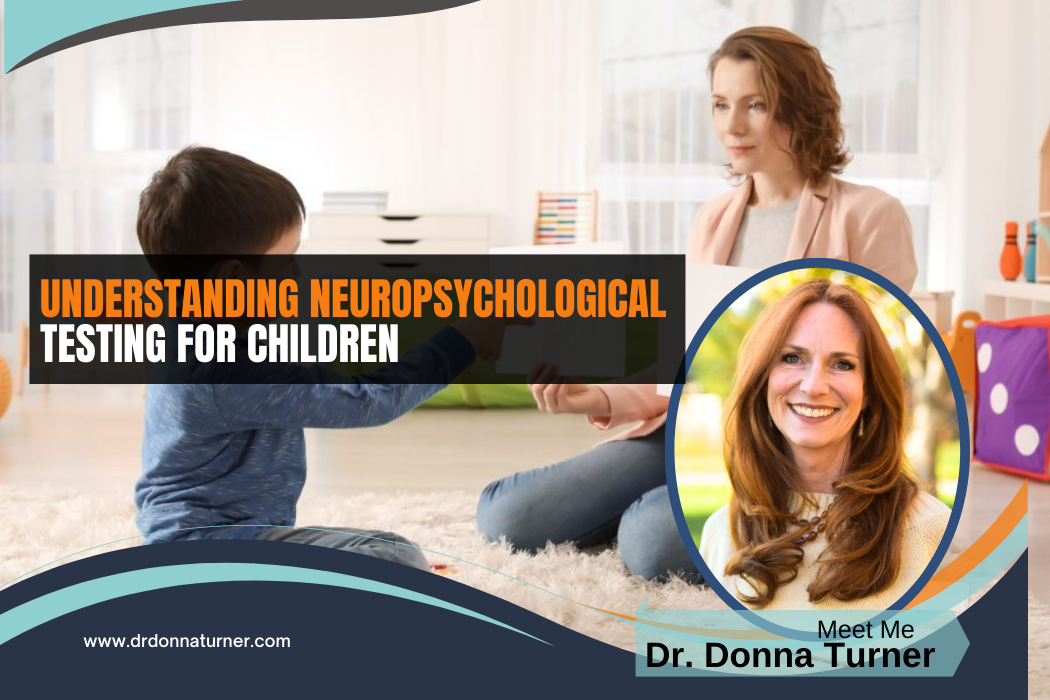
A Neuropsychological assessment plays a crucial role in examining a child’s cognitive, emotional, and behavioral functioning. It also helps detect learning disabilities, attention deficits and neurological conditions that may affect academic performance and daily living.
What is Neuropsychological testing for ADHD and why is it so important? Neuropsychological testing for ADHD can be overwhelming to comprehend, so in this article, we are going to break it down for you: what does it look like, what is the importance of neuropsychological testing, and how can it help your child succeed.
What Is Neuropsychological Testing?
Neuropsychological testing is a series of tests that evaluate how a child’s brain functions. Neuropsychological tests, unlike standard measures of intelligence or school performance, assess a range of cognitive functions: memory, attention, problem-solving abilities, language skills and emotional regulation. Cognitive Profiling provides a workshop in cognitive and psychological aspects of function in an area of behaviour and can help professionals determine conditions by profiles of strengths and weaknesses, which can contribute to defining focused interventions.
Note that clinical neuropsychologists have specialized training in brain function, cognitive development, and psychological disorders, specifically working to diagnose professional neuropsychological testing of ADHD. When you assess a student who makes no impact academically, you get a definition of that child as well, and the assessment offered is priceless because all children who have learning obstacles and are troublesome or those who have been diagnosed with medical conditions impede appropriate functioning.
Why Is Neuropsychological Testing Important for Children?
Neuropsychological testing can provide incredible insight into a child’s cognitive and emotional well-being. Here’s why it’s essential:
-
Detecting Learning Disabilities
Many children with learning disabilities, (dyslexia, dyscalculia, auditory processing disorder, etc), go undiagnosed, causing great difficulty in school or at home. A neuropsychological testing for children evaluation determines exactly what cognitive challenges a child is facing, enabling educators and parents to assist the child appropriately.
-
Attention and Executive Function Disorders: A Diagnostic Evaluation
A child’s ability to focus, get his work done, and control his emotions may be affected by conditions like Attention-Deficit/Hyperactivity Disorder (ADHD). Where ADHD is suspected, testing for ADHD via structured evaluation is helpful, to ensure that ADHD is not a by-product of other issues, e.g. anxiety, learning disabilities, impairing/debilitating mental health problems, so that appropriate accommodations are made. That's where professional neuropsychological testing ADHD services come into play, they can solve if you're in dire consequences of ADHD and how to make it work for you.
-
Assessment for Emotional and Behavioral Disorders
When children are dealing with emotional stress, be it anxiety, depression or a mood disorder, it typically shows up in the form of cognitive and behavioral signs that impact their school performance and social interaction. Neuropsychological testing can determine whether these issues are related to emotional distress, cognitive deficits or both.
-
Diagnosing Brain Injuries or Neurological Conditions
Children with different cognitive functions may need to undergo assessments to determine the state of cognitive functions following a brain-related injury or neurological disorder like epilepsy. This aids in tailoring rehabilitation and academic accommodations.
-
Implications for Educational and Therapeutic Interventions
Once educators, therapists and parents grasp the unique cognitive profile of a child, they can develop individualized plans for learning, strategies for behavior and therapeutic interventions that will help the child thrive. Families are learning that neuropsychological testing near them can provide more medically appropriate channels of help.
Read More: The Intersection of Dyslexia, Dyscalculia, and Adulting: Managing Executive Function Overload
What Does Neuropsychological Testing Entail?
-
First appointments and background information
Before testing for ADHD begins, the neuropsychologist collects information from parents, teachers, and doctors' notes. This aids them in collecting information about the child’s history, like developmental milestones, school performance, and behavioral issues.
-
Standardised Cognitive and Academic Assessments
The child gets tested for ADHD and undergoes cognitive assessments, which include the following:
- Intelligence (IQ) Tests: Assess reasoning, problem-solving, and verbal/non-verbal skills.
- Memory and Learning tests: Which test short-term memory, long-term memory, and the ability to hold and retrieve information
- Attention and Executive Function Tests: Measure focus, impulse control, planning, and decision-making.
- Language and Communication Tests: Detect challenges with vocabulary, understanding, and verbal expression.
- Academic Skills Tests: Assesses reading, writing, and mathematical skills in order to identify learning disabilities.
-
Psychological Evaluations of Emotions and Behaviors
Along with tests for ADHD, neuropsychologists evaluate emotional and behavioral functioning through:
- Self-report and Parent-Teacher Questionnaires – Evaluate mood, anxiety, social abilities, and behavioral styles.
- Projective Tests – These involve drawings or storytelling tasks, which assist in assessing emotional issues, particularly in young children.
- Observational Assessments – The neuropsychologist observes the behavior of the child in both structured and unstructured environments.
-
Analysis and Interpretation of Results
After tests for ADHD and other assessment processes are through, the neuropsychologist examines the data for patterns and performance to identify cognitive and emotional strengths and weaknesses. The results are summarized in an extensive report, outlining diagnostic impressions and a plan of action.
Read More: The Emotional Toll of Learning Disability: Anxiety, Shame, and Breaking the Silence Around Dyslexia
-
Feedback and Recommendations
The last step is a feedback session where the neuropsychologist goes over the results with parents, teachers, and, occasionally, the child. Recommendations are suggested based on the findings, which may include:
- Educational Accommodations – Teaching modifications, extended time on exams, or specific education plans (IEPs).
- Therapeutic Interventions – Occupational therapy, speech therapy or consensual emotional support.
- Medical or Psychiatric Referrals – In a few instances, medicinal therapy or additional clinical assessments may be recommended, such as ADHD screening testing in Utah, for those requiring nearby treatments.
What should Parents and Educators Do After Testing?
Neuropsychological testing for ADHD is vital, and once a child has undergone it, the next steps are important in ensuring the best possible outcomes. Here are some steps parents and educators can take:
- Revisit Recommendations in School and at Home: Collaborate with teachers and school psychologists to implement the recommended accommodations.
- Monitor Progress and Modify Interventions: Children do not remain the same over time, so they may also have changing needs. Neuropsych testing for ADHD should be updated periodically.
- Foster a Positive Self Image: Self-esteem can be a difficult experience for children with learning or cognitive challenges. All parents can enhance hobbies and talents, and foster improvement.
- Seek Support and Resources: Parents looking for neuropsychological testing near them should connect with professionals offering online neuropsychological testing, making it easy for them to meet with experts for assessments. Services in another area are also an option; Utah neuropsychological services and neuropsychological testing in NYC are regional examples.
Read More about: Math Disability and Relationships: How Dyscalculia Impacts Family Finances, Shopping, and Even Cooking
Conclusion
Neuropsychological Testing for ADHD is what you need, in terms of cognitive, emotional, and behavioral growth, its role is crucial. Identifying challenges early helps parents and education professionals to implement appropriate strategies to aid a child’s education and development. Whether it’s learning disabilities and ADHD or emotional and neurological difficulties, neuropsychological testing delivers a lens through which we can diagnose and pursue academic success and enhanced quality of life.
Read More: An Introduction to Neurodevelopmental Testing
If you want the best neuropsychological services in Utah, you should visit someone who is qualified with established research or allowed to view test results only under those guidelines. How is ADHD tested and what is the appropriate intervention plan? The answers you seek can be found through an accurate ADHD screening test and a comprehensive neuropsychological evaluation.
The earlier the intervention, the better the decisions can be made for the future.