
Holiday Gift Guide for Kids and Teens With ADHD, Autism, and Learning Differences: Toys and Games That Build Skills
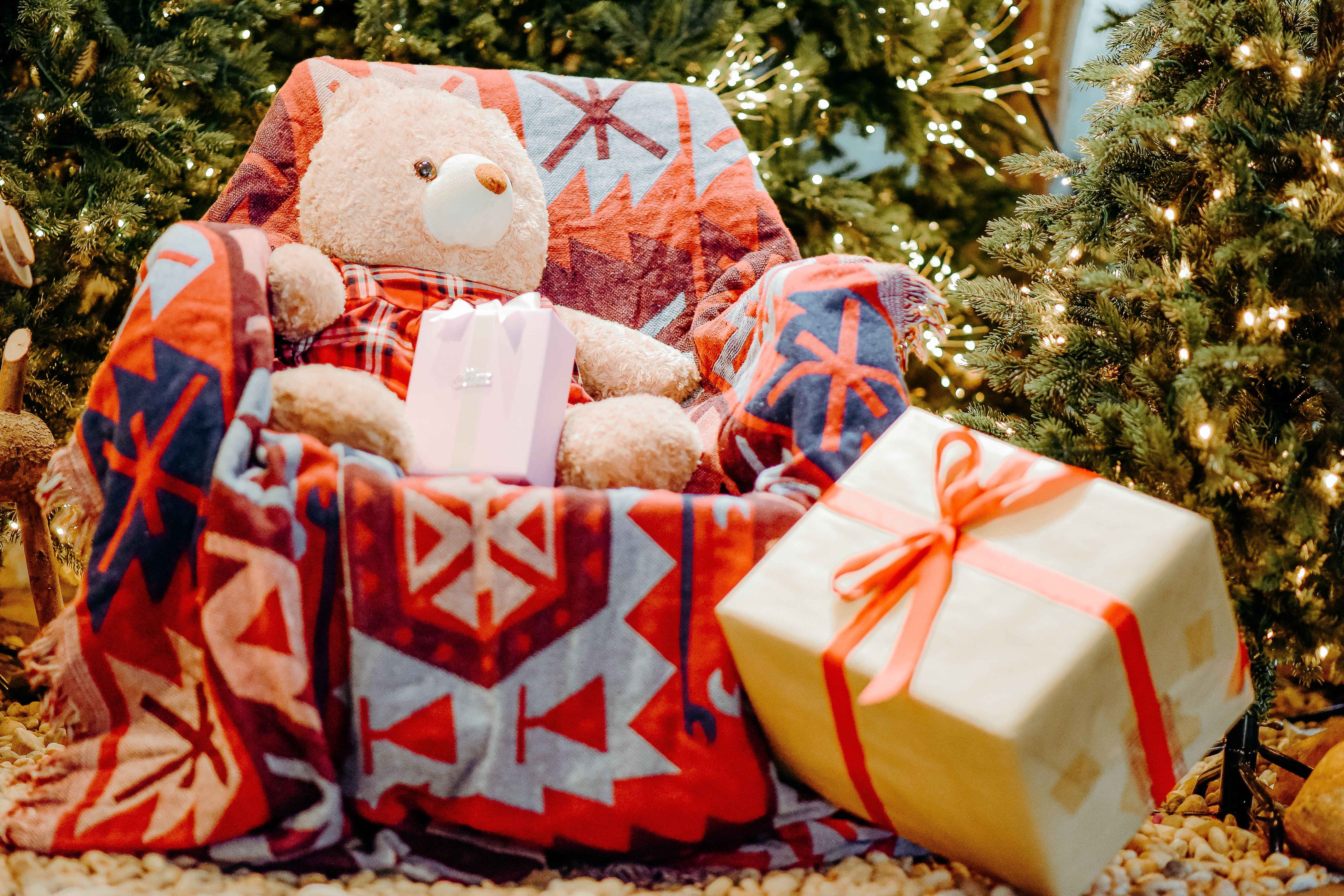
The best gifts for kids with ADHD and autism are the ones that kids actually want to play with that also quietly practice a skill, such as planning, memory, flexible thinking, or fine motor control. Choose fun first, match the challenge to your child's current level, and skip anything that feels like homework in a gift bag.
Shopping for a child who has ADHD, autism, or a learning difference raises questions other parents never think about. Will the sounds bother them? Will the game frustrate them? Will it sit untouched in a week? Parents often ask whether toys for kids with ADHD can really build skills, and the honest answer is: sometimes, and not in the way the marketing suggests.
Below, we cover what the research says, how to choose gifts for kids, and gift ideas for neurodivergent kids by skill and age. The toys and games named here are examples, not endorsements, so check availability and age ranges before you buy.
What the Research Says About Games and Skills
Executive function games are a natural way to practice skills like working memory, impulse control, and flexible thinking. A small pilot trial of an 8-week board game program for children with ADHD found improvements, including in memory. A systematic review of reveal-and-react card and board games, such as Ghost Blitz and Dobble, found that these games often support inhibition and working memory.
The same review notes that, in the ADHD trial it describes, the benefits were not maintained at a 3-month follow-up. Games are good practice, good family time, and good fun. They are not a treatment, and a child with real attention, memory, or learning difficulties benefits most from an evaluation and targeted support, with play as a bonus.
Gifts for Kids With ADHD and Autism: How to Choose One That Fits
-
Start with what your child already loves. A game built around their interests gets played, and skill building follows interest, not the other way around.
-
Match the challenge level. A game that asks for skills your child has not built yet can end in frustration, so start easier than you think.
-
Think about the sensory profile. Loud sounds, flashing lights, and scratchy textures can turn a gift into a problem, so look for sensory-friendly options, especially when choosing gifts for autistic kids.
-
Consider the play style. Some children love competition, and others struggle with losing. Cooperative games, where everyone wins or loses together, can be a gentler fit.
-
Agree on screen rules before a device or console is opened. Our post on screen time and ADHD can help.
Gift Ideas by Skill
Thinking Skills
-
Planning and problem solving: Logic games such as Rush Hour, Labyrinth, and Qwirkle, plus building sets, magnetic tiles, and circuit STEM kits, ask a child to plan steps and adjust.
-
Working memory: Memory matching games, Mastermind, Guess Who, and "I Went on a Picnic" make recall part of play.
-
Impulse control: Fast reveal and react games such as Ghost Blitz and Dobble, plus Jenga and Sturdy Birdy, practice waiting, stopping, and reacting at speed.
-
Flexible thinking: Rory's Story Cubes, Telestrations, and open-ended art supplies build flexibility without a right answer to get wrong.
Calm and Movement
-
Sensory regulation: A microwavable plush animal, a bounce ball, a sensory swing, or Kinetic Sand suits many kids, though every sensory profile is different. For weighted blankets or vests, ask your pediatrician or an occupational therapist about size and safety first.
-
Movement: Scooters, skateboards, and anything that gets a child outside give active kids a healthy outlet.
-
Fine motor play: Thinking putty, Rubik's Cubes, and craft kits strengthen the hands and fingers that later need to hold pencils.
By Age and Need
-
Social understanding: Games like Funny Faces use facial expressions and nonverbal cues in a pressure-free way, and cooperative board games are a gentle way to practice turn-taking.
-
Teens: Gifts for teens with ADHD work best when they respect the teen's taste first and any skill benefit second. Strategy games, chess, escape room games, science kits, art supplies, and sports gear are popular picks.
-
Dyslexia and other learning differences: Gifts for kids with dyslexia can lean toward building kits, puzzles, and hands-on projects, which many children find more natural than reading or worksheets. If a game relies on reading or spelling, check it against your child's comfort level.
Gifts to Think Twice About
Toys with loud sounds or flashing lights can overwhelm sensory-sensitive children. Games far above your child's current skill level tend to end in frustration, and competitive games are hard for a child who struggles with losing, unless you play cooperatively. Fidget toys deserve caution too: the research is mixed, and some children find them more distracting than helpful, so try one before buying a dozen.
Making the Gift Matter
How a gift is given matters almost as much as what it is. Even the best gifts for kids with ADHD and autism are easier to enjoy in small batches rather than all at once, which keeps the sensory and emotional load manageable. Tell your child what to expect, let them take breaks, and play the new game with them. The most valuable part of any gift is time spent together. For more on keeping the season calm, see our guides on winter break routines and holiday sensory overload.
When You Want to Understand Your Child Better
If your child has real trouble with attention, memory, planning, or learning, no toy will answer the question of why. An evaluation can. At Dr. Donna Turner's Salt Lake City practice, neuropsychological testing looks at how your child thinks, learns, remembers,s and pays attention, and what will help. Where it makes sense, we also offer support for working memory and attention, including programs such as Cogmed. Choosing gifts for kids with ADHD and autism is a lovely way to support them, and if you're wondering about something deeper, a free call is a good place to start.
Frequently Asked Questions
What are the best toys for kids with ADHD?
The ones your child enjoys that also practice a skill, such as building sets, logic games, memory games, and movement toys. Interest matters more than the label on the box.
What games build executive function?
Games that ask children to plan, remember, wait, and switch strategies, such as Rush Hour, Mastermind, Jenga, Dobble, and Ghost Blitz. They help as practice, though they are not a substitute for treatment.
What gifts work for autistic kids who are picky about toys?
Start with your child's special interests and sensory preferences. Choose quiet, predictable items without surprise sounds or lights, and let your child choose between two options.
What are good gifts for teens with ADHD?
Strategy games, escape room games, art supplies, building or science kits, and sports gear. Choose something that matches their interests, not something that looks like self-improvement.
Do fidget toys help kids with ADHD?
The research is mixed. Some children find a quiet fidget helps them focus, and others find it distracting, so try one before committing.
What gifts help kids with dyslexia or learning disabilities?
Building kits, puzzles, art, and hands-on projects often feel more natural than reading-heavy games. Pick based on your child's comfort and interests.